



For example, while you might get more accurate estimates, you’ll find that you’re spending more. That’s because when a department can ask for what normal balance it wants, even after compromise, the total costs are likely to be higher than if the executive team made those decisions. Two of the more common approaches are bottom-up budgeting and top-down budgeting. Knowing which is right for you starts with understanding both of these budgeting approaches. Usually, department managers and lower-level staff do not participate in the meetings but may put forward suggestions for consideration.
Clear Alignment with Strategic Corporate Goals

This method often fits well in scenarios where quick, high-level control is needed-like during tight fiscal years, corporate restructures, or when guiding new business strategies. Knowing when and how to use it helps you balance control with flexibility in your budgeting process. Yes, combining top-down and bottom-up budgeting is possible and can be beneficial. A hybrid approach can involve setting overall financial goals from senior management while allowing departments to provide input on how to achieve those goals.
Corporate Finance: Top Down vs Bottom Up Budgeting
- This approach may also overlook the innovative opportunities that emerge at operational levels.
- The primary strength of top-down budgeting lies in its strategic continuity.
- Employees feel valued and empowered, knowing their input directly influences the budget.
- Rolling forecasts differ from top-down and bottom-up approaches because they are not time-static.
The departmental heads/managers prepare their budget based on present information and past experiences and present it to senior management for approval. They take into account margin pressures and market conditions to make the budget more realistic and attainable. The budget presented to top management contains an explanation of each item indicated in the budget. Top-down budgeting refers to a budgeting method where senior management prepares a high-level budget for the company. The company’s senior management prepares the budget based on its objectives and then passes it on to department managers for implementation.
What role does communication play in successful top-down budgeting?
This connection makes them more likely to work within constraints rather than push back outright. Top-down budgeting starts at the top, so executives must articulate clear, measurable goals tied directly to the company’s overall strategy. These objectives act as a financial compass, guiding where money should flow and where it shouldn’t.

He currently serves as a Senior Area Sales Manager at Vena and previously worked as a Content Specialist. Top-down budgeting begins with setting a top-down vs bottom-up budgeting total spending limit based on income and financial goals and dividing that amount across spending categories. This approach emphasizes goal alignment and control, keeping spending focused on priorities. The first step is setting a total spending limit based on your income and financial goals. Top-down budgeting is a simple, goal-focused approach to managing your money.
Bottom-up vs top-down budgeting

Acknowledge areas of uncertainty or change to manage expectations realistically. Transparent communication also includes admitting mistakes and adjusting budgets when needed without blame. Remember, having a budget is only effective if you can track and manage it. To this extent, in-depth features like audit trail and account drill-down are very important.
- By aligning budget allocations with strategic goals, organizations can ensure that resources are allocated to initiatives that have the highest impact on achieving the desired outcomes.
- Despite its many advantages, the top-down approach also has significant challenges.
- A hybrid budgeting method combines top-down strategic direction with bottom-up input for operational accuracy.
- Management can easily maintain oversight, ensuring that resources align with strategic priorities.
- Top-down budgeting is a method of allocating financial resources to different departments or projects based on the overall strategic vision and objectives of the management.
- Your budget should reflect the bigger economic picture since factors like inflation, interest rates, and geopolitical risks impact costs and revenue.
The steps involved in top-down budgeting
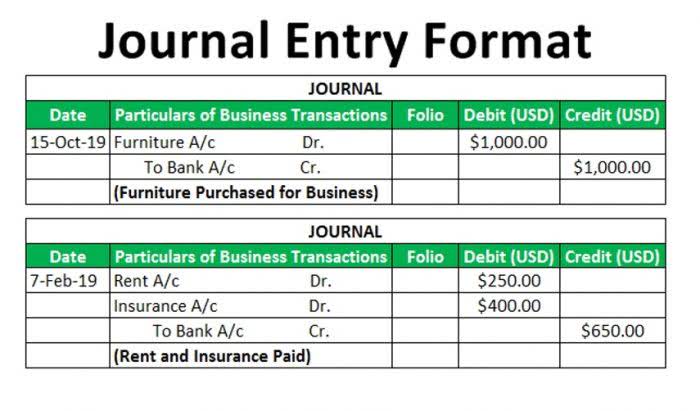
This method is collaborative and transparent and, therefore, democratic in process. Each department assesses its own financial needs and requirements, formulating Opening Entry a budget later submitted for consolidation on an overall organizational level. This method offers a detailed and realistic understanding of the needs and challenges of each department. While it encourages greater employee participation and fosters ownership—leading to enhanced commitment to budgetary goals—it can also be time-consuming.
How to communicate and align the budget with the stakeholders and employees?
What are the factors and tech you need to really get the most out of these budgets? Let’s look at these and more when we examine top-down budgeting and bottom-up budgeting. When employees are not encouraged to provide input or suggest improvements, the organization may miss out on valuable cost-saving measures or revenue-generating strategies.